Made the most of the decent weather and had a conserted effort on garden ringing. 21 new birds ringed which isn't top bad. Highlights were 3 siskin (8 this year) and a lesser redpoll.
The birds keep coming at our weekend ringing site with another 115 birds (27 new) handled on Saturday. For some reason we had a load of new blue tits arrive making up at least half the birds we ringed. There is the chance they are migrants as we also had a chaffinch with a longer wing measurement than our local birds. A pair of nuthatch and a treecreeper were also caught and are probably in the top 3 of the best birds to handle. A singing mistle thrush and 2 drumming great spots were a nice change.
The ringing group have just had an interesting ringing recovery. Kevin ring a woodcock in his garden on November 7th. We have just heard that it was shot 56 days later on January 2nd, 1145km south near Oviedo in northern-Spain! We assume that it was moving south to escape the cold weather. It is a shame that it had been shot but still a facinating recovery.
Monday, 7 March 2011

Wednesday, 2 March 2011
Monday, 28 February 2011
I tend not to do much moth trapping in the winter, too cold, too wet you know the score, so it wasn't much of a surprise to get a new moth on Saturday morning. Despite heavy overnight rain, the trap did get 9 moths of which pale brindled beauty was new and I hadnt seen many twin-spot quakers. Role on the warn nights of summer!


Twin spot quaker and pale brindled beauty
It has been a bit too windy recently to open the nets in the garden so it was nice to catch 4 siskins on Sunday. A very 'rosey' redpoll sp managed to evade the nets which was a bit annoying.


Wednesday, 23 February 2011
Not really much going on at the moment so there hasn't been a great deal to write about. Few bits about on the reserve in the last week although the 3 red-crested pochards and drake mandarin are surely of 'unknown origin'. The quality has been left to an adult Bewick's swan that has been feeding on a sugarbeet field at the end of the carpark and roosting on the fresh marsh at night.


Loads of finches in the garden at the moment. At least 30 chaffinch and greenfinch at the weekend and there are still 4 lesser redpoll and 3 siskin today.


Loads of finches in the garden at the moment. At least 30 chaffinch and greenfinch at the weekend and there are still 4 lesser redpoll and 3 siskin today.
Sunday, 13 February 2011
Cracking but usexpected ringing session this morning. Conditions were not the best, it was windy and we always had the threat of rain. Thankfully the rain held off and we ended the morning with 52 new and 45 re-traps - very good for this time of year. Highlights had to be the large number of long-tailed tits caught. They are often around but always seem to keep clear despite running a tape to attract them. For some reason they just wanted to go in the nets today and we ended up with getting 29! Always cracking birds to handle and usually really easy to extract.
A new woodcock was a nice early bird and a couple of goldcrests added some variety.
2 lesser redpoll and 3 siskin on the feeders when I got home but it was too windy to open and nets - save them for next time!
A new woodcock was a nice early bird and a couple of goldcrests added some variety.
2 lesser redpoll and 3 siskin on the feeders when I got home but it was too windy to open and nets - save them for next time!
Saturday, 12 February 2011
With a mild and dry night forecast, I put the moth trap on at work for the 1st time of the year last night. As expected, it was quite but it was good to get back into the swing of things

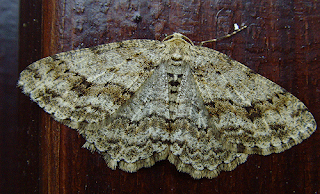


March moth
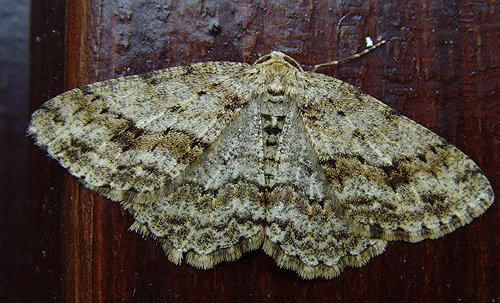
Engrailed

Early moth
A short-eared owl over thwe saltmarsh this afternoon was the only real bird highlight today.
Friday, 11 February 2011
I have had this response about the gull from a man who knows and I am sure he won't mind me putting it here!
'The other bird is a 3rd-w Herring. The white tips to the primaries confirm that it is a 3rd-w and the extent and pattern of brown in the tertials and coverts is typical of Herring and would be extremely unusual in Caspian or Y-l Gull at this age. Basically at this age many Herring Gulls appear about a year behind on their upperpart pattern. So, a Caspian showing this extent of dark in the coverts and tertials would be a 2nd-w (and the brown would tend to be darker and more solid in the tertials and it would show no white primary tips). A 3rd-w Caspian with white in the primary tips would typically appear much more adult like in the upperparts, with any retained dark markings in the tertials still blacker than Herring. ' - Thanks Mr R
Thanks for the response Ben, I am still baffled by large gulls!!
Subscribe to:
Posts (Atom)